
Removal versus exclusion
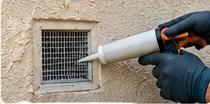
Removal addresses rodents already present; exclusion addresses access to the building. Both may be needed when an infestation is active. Sealing a suspected opening without assessing occupancy can create trapped-animal problems.
Entry points worth checking
Roof intersections, damaged vent screens, gaps around pipes, garage-door edges, crawl-space openings and foundation joints all warrant inspection. The relevant openings depend on the species and building layout.
What a proofing assessment may include
A provider may trace signs around the perimeter, evaluate materials and check for other access routes before recommending repairs. Ask how necessary ventilation, drainage and fire or building requirements will be preserved.
Preventing repeat rodent activity
Keep food stored securely, manage outdoor refuse and discuss branches or vegetation that allow access to the roof. Check vulnerable areas after renovations or damage. Rodent inspection can help distinguish an active problem from an open access route.
Different homes need different approaches
A historic bungalow, a newer slab-foundation home and a coastal property have different construction details. Discuss suitable repair materials with a qualified pest-control or building professional.
Frequently asked questions
Is sealing gaps enough for an active infestation?
Not necessarily. Current activity must be addressed before or alongside proofing.
Will proofing stop all future rodent problems?
No method can promise that. Openings can develop later, and monitoring remains important.